Your audience assembles your brand out of things you never sent them.
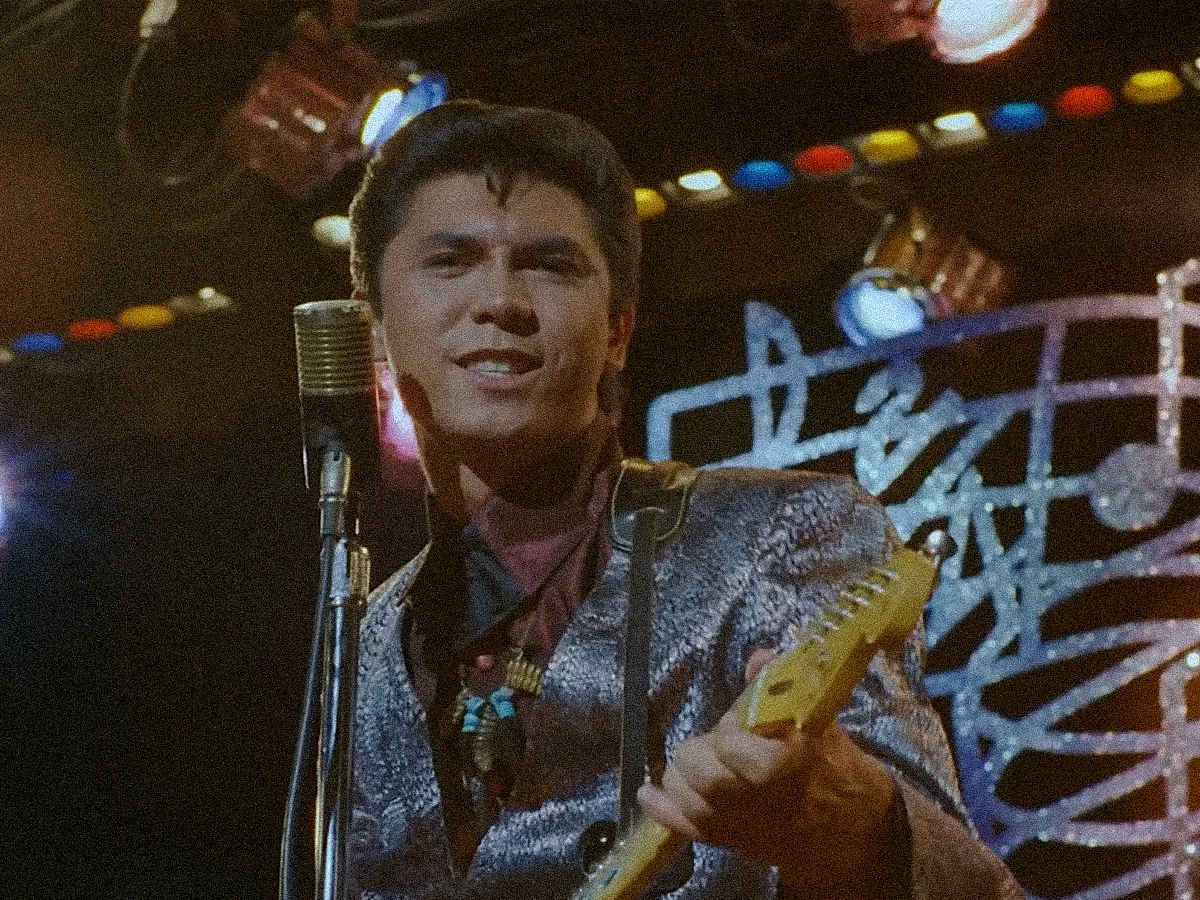
In 1958, a Los Angeles record man named Bob Keane signed a seventeen-year-old named Richard Valenzuela to Del-Fi Records. The kid became Ritchie Valens. La Bamba, the 1987 film written and directed by Luis Valdez, compresses what happened next into a handful of scenes. The scenes are dramatized. The two decisions inside them are real, and both are still on your desk today.
The Name
In the film's telling, Keane breaks the news in the studio. He's Ritchie with a "t" now, and Valens instead of Valenzuela. Ritchie's brother is furious. Keane doesn't budge. The reasoning is commercial: a shorter name widens the appeal past an obvious ethnic read.
A few scenes later, Keane drops the record at a radio station. The DJ looks at the label and jokes that Valens must be Italian. Then he mocks the fact that this kid is a Latino from the Valley. The record sold. And the exact bias the name change was working around sat right there on the table, proving itself.
The Song
The second decision runs the other way. Ritchie wants to cut La Bamba as rock and roll, and this time Keane pushes back. Ritchie won't move. Then the third act arrives, you watch the crowd's faces while he plays it, and Keane has his answer. A song his family had sung for generations, arranged for people who'd never heard it.
Two routes to the same audience. Edit yourself so the audience's story about you gets easier to tell. Or hold what's ownable, what nobody else in the room could offer, and be deliberate about how it arrives.
Your Buyers Run This on You Every Week
I've written before that your brand is not a logo. This is the mechanism underneath that argument. Marty Neumeier put the brand inside the listener in The Brand Gap: "a person's gut feeling about a product, service, or company."
That gut feeling gets built out of whatever the person already carries into the room.
››› The last vendor in your category who took their money and missed the date.
››› Their region, and whether your name sounds like it comes from there.
››› Their board's idea of what a company like yours should cost.
››› The competitor of yours they looked at last week.
Keane's name change fed the audience one input. Ritchie's arrangement fed them a different one. Neither man reached into a listener's head and set the result. The assembly votes without you. You're the call to order.
Take the Mechanism, Leave the 1958 Decision
Nothing here recommends the name change. It worked for a record label in 1958, and that tells us more about 1958 than about anybody's strategy today.
Bias covers more ground than prejudice, though. A buyer in Pueblo reads a name differently than a buyer in Denver. A CFO reads your pricing page against the last invoice that surprised her. Some of what your audience carries is ugly and some of it is ordinary. All of it shapes the read. Take the mechanism. Leave the 1958 decision where it sits.
Map the Landings Before You Commit
Most teams learn how their positioning reads after they've spent the budget. Somebody asks why the wrong people keep calling, and you're answering it six months late. Run this before a name, logo, tagline, or positioning statement leaves the building.
- List every group who'll see it. The buyers you want, the buyers you don't, your employees, and the partners who explain you when you aren't there.
- Write the sentence each group says after five seconds. Write the unflattering version too, in their words.
- Sort each sentence into what you can live with and what you can't. The second pile is your agenda.
- Decide out loud, in front of the people who'll defend it later.
This sits alongside the keep list, and the two run together. A keep list measures what your existing elements already do for you. Mapping the landings predicts how a new decision reads before it exists.
What You Can Decide
The gut feeling gets assembled out of your reach. What you hand people to build it from is the part you choose. You can know in advance where it lands. Ritchie made that call about an arrangement and got it right. Keane made a different one about a name. The record sold, and the audience's bias showed itself in the same breath.
Write the sentence a first-time buyer says five seconds after your homepage loads. Can you live with the unflattering version?
Common Questions About Brand Perception
What is brand perception?
Brand perception is the sum of what your audience believes about your company. They assemble it from their own experiences, biases, comparisons, and history, ahead of anything you send. Marty Neumeier's definition in The Brand Gap: a person's gut feeling about a product, service, or company. The feeling lives in them.
Can you control brand perception?
You control the inputs, never the verdict. Your name, your visuals, your pricing page, and your delivery all feed the read. What each person builds from those inputs depends on what they carried into the room. Deliberate inputs plus advance mapping is the whole available playbook.
How do you measure brand perception?
Ask people who owe you nothing. Have recent buyers describe you in their words. Read inbound messages for how people say they found you, and ask salespeople what prospects reference back. Patterns across those answers are your perception. One flattering survey is your reflection.
How do you change brand perception?
Change the inputs and give the change time to compound. Perception rebuilds one contact at a time, so start with the surfaces your audience meets most often. Map how the new inputs land with each group before committing. A change that reads wrong costs more than the sameness it replaced.
This Was Originally a LinkedIn Post
This article started as a LinkedIn post. If you're into that kind of thing, I post a few times a week. The link's just below.


Get a quick temperature check:
Give the basics, get as deep as you want, and get an instant estimate with a number reliable enough to take to the decision table.