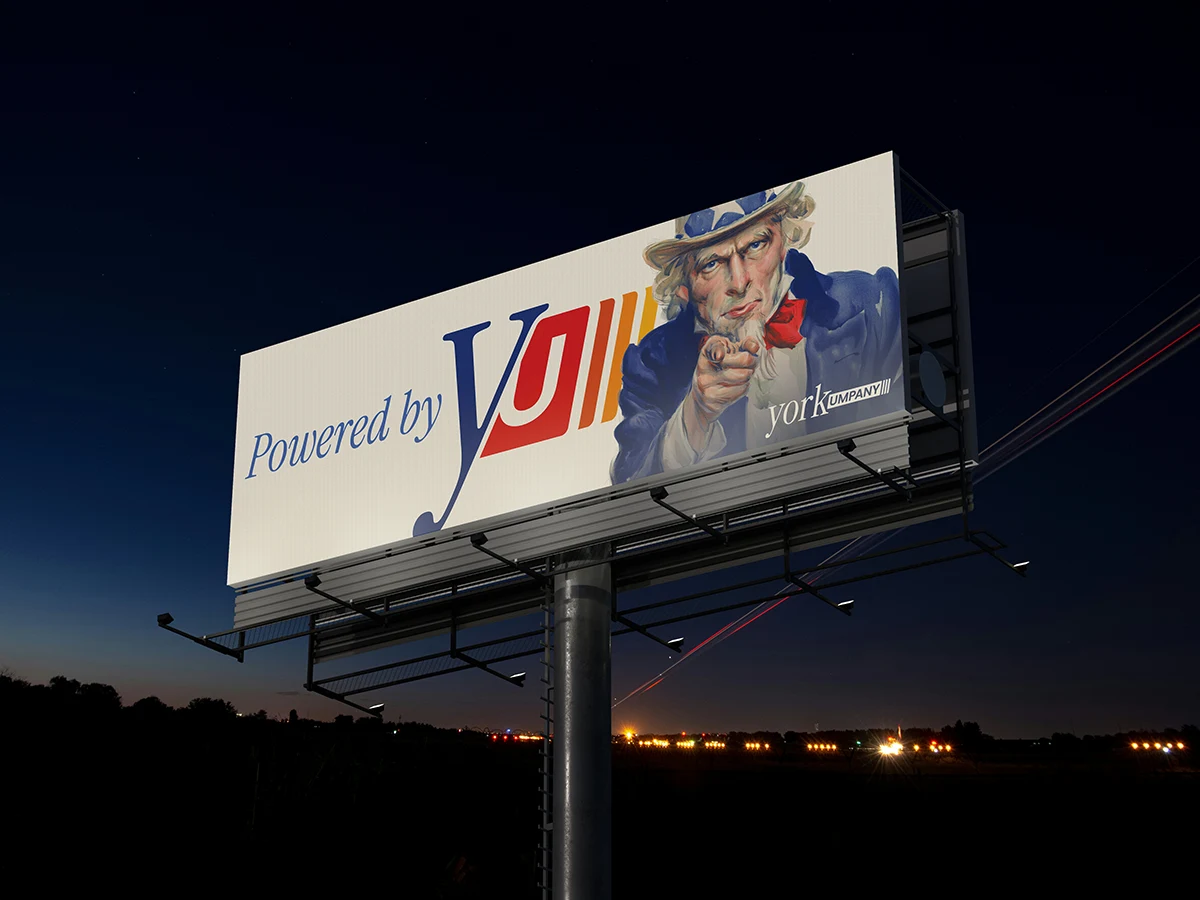
A logo is one graphic. Brand design is the system that makes it mean something everywhere you show up.
A logo is one graphic. Brand design is the system that makes that graphic mean something everywhere your company shows up. Your website, your pitch deck, the follow-up email after a bad meeting, even the way your team answers the phone.
Maybe your exec team decided the brand finally gets fixed. Maybe you're the one explaining why the current identity doesn't match the company you've built. Either way, this is the gap they're pointing at.
Brand Design vs. Graphic Design
Graphic design gives you a logo. Brand design gives you a system that logo can stand on. Think about the last local business you went back to on purpose. The order came out right without you repeating yourself, and the place felt like it remembered you. That consistency is brand design doing its job, and the sign out front is just where you first noticed it.
Ask your customers what your brand is. You'll get a more honest answer than any mission statement gives you. The split between the two disciplines runs deeper than this page needs, and there's a fuller version in branding vs. marketing.
One Bison Is Just a Bison
A single bison is a big, distinct animal. It's also, on its own, easy to miss and easy to outrun. A herd is different. It moves as one signal, impossible to mistake for anything else, and nobody else in the category can fake it. That's what ownable means.
A logo works the way one bison does: distinct up close, forgettable from a distance. Brand design is the herd. The visual system and the signals it sends every time your company shows up. All of it moving in the same direction, at the same time. That's what makes a company recognizable before anyone reads a word of copy. The opposite condition, a brand that blends into its category, has its own name and its own post.
You Don't Need a Fortune 500 Budget for This
Big companies can outspend their way to recognition. You compete on consistency instead, and consistency costs less than confusion does.
Skip the alignment work, and confusion shows up everywhere:
››› Your website still represents the company you were three years ago.
››› Your sales team re-explains who you are and why you're different on every single call.
››› Your social presence and your pitch deck look like they came from two different companies.
››› A competitor with less experience than you looks like the more established option online.
Get it right, and the payoff arrives just as fast. Picture it in whatever industry you're in:
››› The sales deck already answers the question a buyer would've asked out loud.
››› A waiting room that looks like the calm, competent place the ads promised.
››› Proposals that sound like specialists who've closed this exact kind of deal.
››› A fifth location that feels the way the first one felt on day one.
Same people, same budget. The only variable is whether the brand does any work for you.
The Four Stages of Brand Design
- Brand Alignment
Get clear on why the company exists and where it's headed. Most companies have never written that down. - Strategy
Turn that clarity into a position specific enough to defend out loud in a room full of your competitors. - Identity
Translate the position into a logo system and a voice someone other than you can execute correctly. Without you standing over their shoulder. - Execution
Apply it everywhere it needs to hold up: the website, the deck, the truck wrap, the auto-reply.
Take a regional engineering firm losing pitches to less experienced competitors. A logo redesign is one asset in that fight. The system is the fight. Experience legible in the first ten seconds of a proposal, consistent from the website to what partners say out loud. What a specialist covers in each stage is its own post.
Why It's Worth Getting Right the First Time
People forget logos. They remember how working with your company felt, and brand design is what makes that feeling repeatable. Otherwise it belongs to whoever's having a good day. Getting it right also saves you from the expensive version of this problem. Redoing the whole thing in two years, because nobody aligned on the "why" the first time.
Pull up your homepage and your last sent proposal side by side. Would a stranger say the same company made both, and would that company match the one your best customer describes?
Common Questions About Brand Design
What's the difference between brand design and graphic design?
Graphic design produces individual visual assets, with the logo the most visible one. Brand design builds the system those assets live inside. The position, the voice, the rules, and the consistency across every surface. Graphic design makes a thing. Brand design makes the thing mean something everywhere.
What does brand design include?
Four stages. Brand Alignment settles why the company exists and where it's headed. Strategy turns that into a defensible position, and identity translates the position into a logo system and voice. Execution applies it everywhere it has to hold up. The documents that survive handoff are the real deliverable.
How much does brand design cost?
No independent benchmark exists, and published averages trace back to agencies describing their own rates. Cost follows scope: how many surfaces the system has to cover and how much strategy work precedes the design. Count your assets first, then build your estimate.
When does a business need brand design?
When the company outgrew its presentation. New services the identity doesn't cover, a sales team re-explaining the difference on every call, or assets that look like two companies made them. The trigger is commercial, and the confusion usually shows up in production before anyone calls it a brand problem.



Get a quick temperature check:
Give the basics, get as deep as you want, and get an instant estimate with a number reliable enough to take to the decision table.